Play Paddle Ball Online Free
Deflect fast-moving shots and outsmart the computer in retro table action.
Loading game...
About Paddle Ball
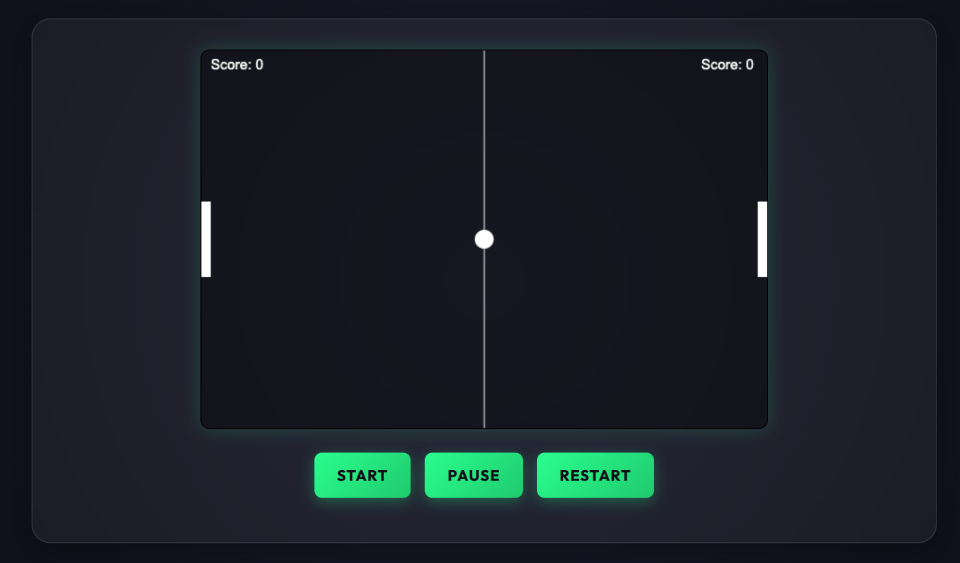
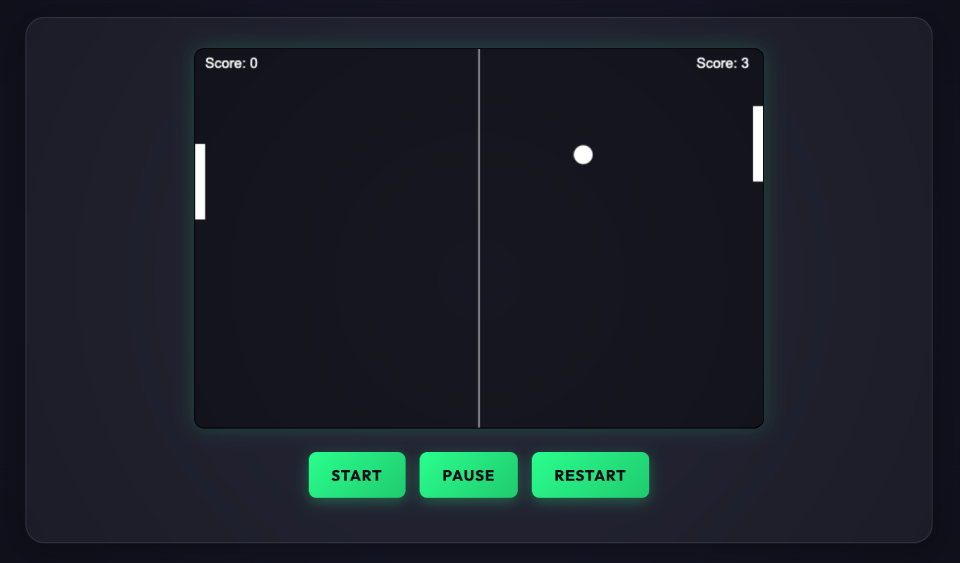
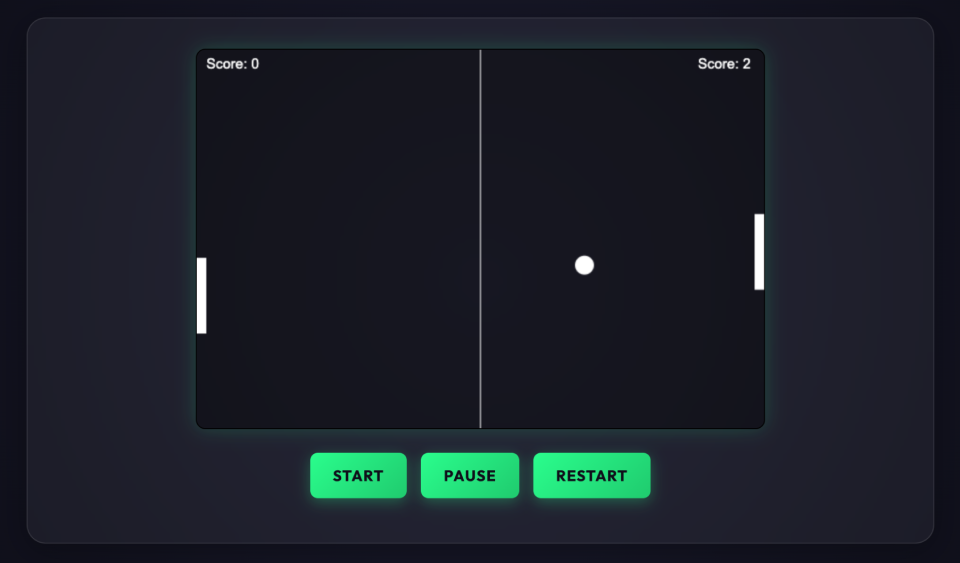
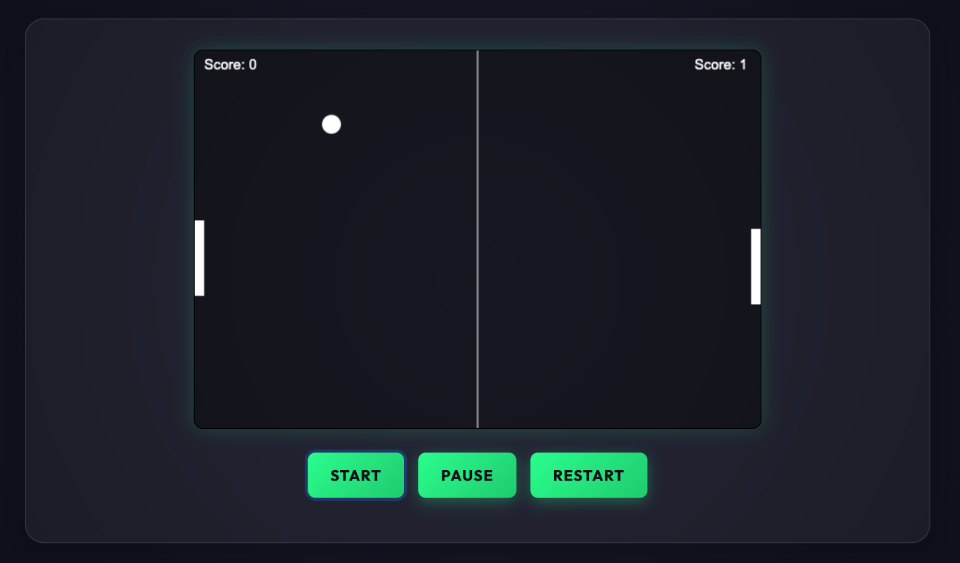
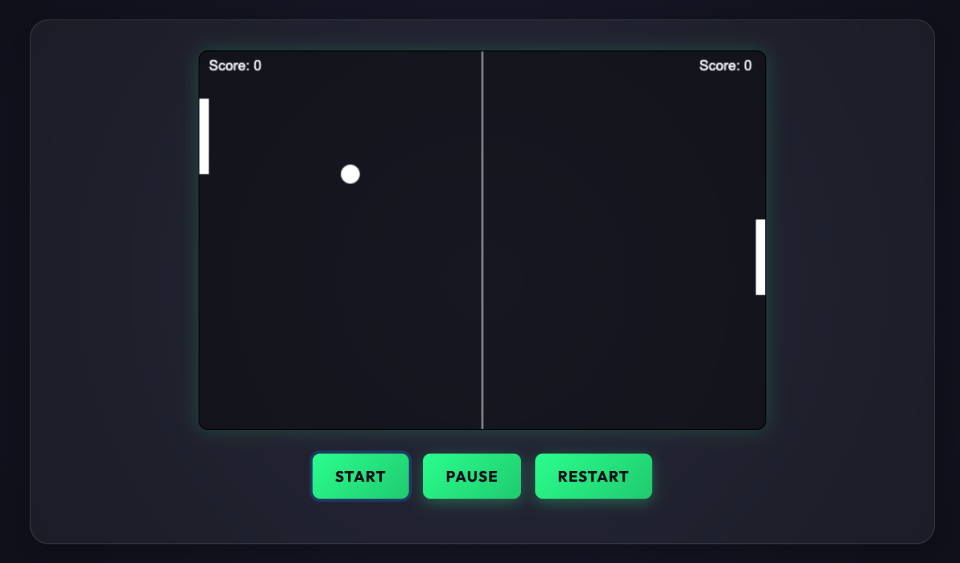
Welcome to Paddle Ball, our premium digital recreation of the beloved classic arcade game! The objective is simple yet addictive: guide your paddle to deflect a high-speed ball back and forth across the arena without letting it slide past your defense line. Our version offers two engaging ways to play:
- Solo Vs Computer: Face off against a smart automated CPU player that shifts speed and positions dynamically to challenge your reflexes.
- Local Shared Match: Share the keyboard with a friend locally for a fast-paced head-to-head match where quick reactions dictate who wins.
Grab a paddle, watch the bounce angles, and score eleven points first to win!
How to Play
Choose Your Mode
Pick either a solo match against the automated CPU or a local multiplayer game against a friend.
Control the Paddle
Press the W and S keys on your keyboard to slide your paddle up and down the left side of the screen.
Deflect the Ball
Watch the movement vectors of the ball to anticipate its bounces and block it with your paddle.
Score Points
Strike the ball past your opponent's boundary line to earn points, playing until someone reaches eleven.
Center Idle Spot
Keep your paddle centered when the ball is far away. This simple positioning ensures you can reach both edges quickly.
Paddle Edge Cut
Hit the ball near the outer edges of your paddle. This deflects the ball at sharp angles to bypass the defender.
Vary Ball Velocity
Strike the ball while moving your paddle. This action adds speed and momentum to catch your opponent off guard.
Paddle Ball Player Handbook
Welcome to the official strategy guide and training manual for Paddle Ball! Whether you are playing solo against the computer or practicing local matches on the keyboard, this guide is designed to improve your reaction speed and defensive coverage.
In this handbook, we will trace the game's retro history, explain the physics of bounce angles, and cover advanced targeting strategies. Let's step up to the table!
1. The History of Virtual Table Tennis
The history of table tennis video games traces back to the legendary arcade hit Pong in 1972. Before that, players used simple books and golf balls to hit a makeshift ball back and forth across a physical table.
These physical games quickly evolved into modern table tennis, which became an Olympic sport with official regulations. In 1972, this concept transitioned into the digital world when table-tennis arcade cabinets were released in public lounges.
These early arcade machines were incredibly popular, challenging players to coordinate their moves to block a fast-moving ball. The simple design was easy to learn but difficult to master, making it an instant classic.
Our version of Paddle Ball honors this history by keeping the classic layout and retro bouncing speeds. It brings the fun of traditional table tennis right to your screen with responsive controls.
Understanding these roots helps players see how a traditional tabletop sport became one of the most famous computer games. It remains a fantastic test of reflexes and coordination for players of all skill levels.
2. Ball Vectors and Reflection Bounces
The movement of the ball across the court follows simple geometric bouncing rules. Every time the ball travels, it slides in a straight line until it contacts a wall or a paddle.
Hitting the top or bottom walls bounces the ball back into play at the exact same angle. This simple bounce pattern creates a fun zig-zag path that you can predict during a match.
When the ball strikes a paddle, it reverses its direction and flies back toward the opposite side of the screen. The spot where the ball hits your paddle changes the return angle, letting you aim your shots.
At the start of each round, the ball is served from the center of the screen with a random angle. This unpredictable launch ensures that you must stay alert and react quickly to the incoming shot.
Studying these simple bounce angles helps you stand in the right spot to defend your goal line. Knowing where the ball will go next is your best path to victory.
3. Strategic Pacing and Target Sweeps
Winning your matches in Paddle Ball comes down to positioning and quick reflexes. It is very easy to make the mistake of chasing the ball up and down, which leaves you open to fast shots.
Instead, the best strategy is to return your paddle to the center of the board when the ball is far away. This central position keeps you ready to reach both the top and bottom corners of the screen.
You can also aim your shots by hitting the ball with the outer edges of your paddle to deflect it at sharp angles. These diagonal shots are very hard for the computer to block, letting you score more easily.
Tapping the ball while your paddle is moving can also change the speed of the return shot. Varying the speed of your returns helps you disrupt your opponent's timing and force mistakes.
Balancing a safe defense with smart, angled shots is the best way to beat the computer on harder difficulties. Keep your eyes on the ball, stay calm, and enjoy the match!
4. Glossary of Terms
Paddle
The vertical block controlled by the player to deflect the ball and protect the goal line. In this game, you slide your paddle up and down using key inputs.
Deflection Angle
The exit direction of the ball after bouncing off your paddle. Hitting the ball near the edges creates sharp angles that bypass the defender.
Center Anchor
The strategic idle position in the middle of the goal line. Returning here between shots gives you the best chance to reach both screen corners.
Table Tennis
The classic physical sport that served as the primary inspiration for early digital paddle games. It tests the speed and coordination of two players across a table.
Rebound
The act of the ball bouncing off the top or bottom wall of the playfield. This changes the direction of the ball during play.
Serve
The initial launch of the ball at the start of a round. This sends the ball towards a player at a random angle.
Match Point
The situation where a player needs only one more point to win the entire game. Reaching this state increases the pressure on both players during a match.
Rally
A sequence of continuous back-and-forth shots between the paddles. Keeping the ball in play during a long rally tests your focus and endurance.