Play Archery Game Online Free
Test your aim in this precision target-shooting challenge. Instant browser action!
Loading game...
About Archery Game
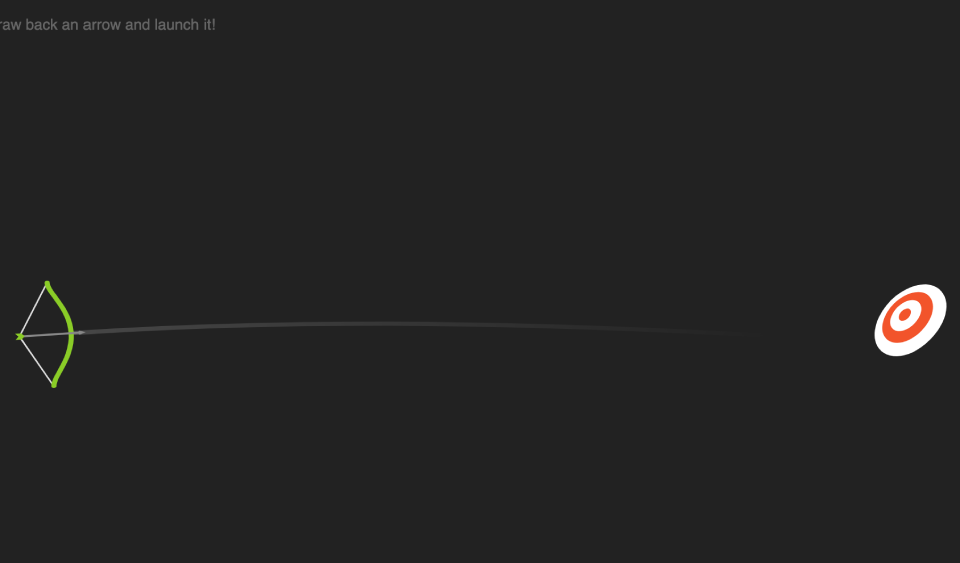
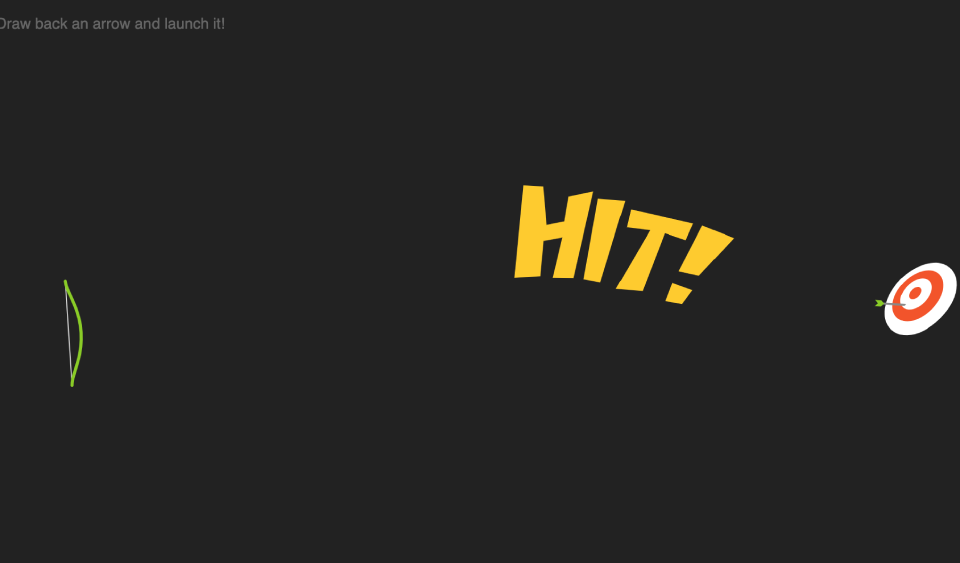
Welcome to the range! Whether you're here to test your timing, master the physics of flight, or chase the ultimate high score, you're in the perfect place. We built Archery Game to feel satisfying and challenging, utilizing custom physics calculations and target-seeking animations. To make a shot, click and hold your mouse or press on your screen to draw the bowstring, pull backward to add power, and angle your shot to line up with the bullseye. Release your hold to loose the arrow and watch it fly!
Here are the two ways you can approach the range:
- Steady Aim Practice: Take your time to study target patterns. Watch the target move up and down, calculate your release, and focus on clean consistency.
- Streak Challenges: Push your focus to the limit. Fire arrows in rapid succession and see how many consecutive bullseyes you can land to run up your score.
Watch your real-time score, high score, and timer in the top stats bar to see how your precision improves with every single arrow. Grab your bow, take a breath, and let's see how close to the bullseye you can get!
How to Play
Draw the Bowstring
Click and hold anywhere on the screen, then pull backward. This draws the bowstring back and notches your arrow, preparing it for flight.
Compensate for Movement
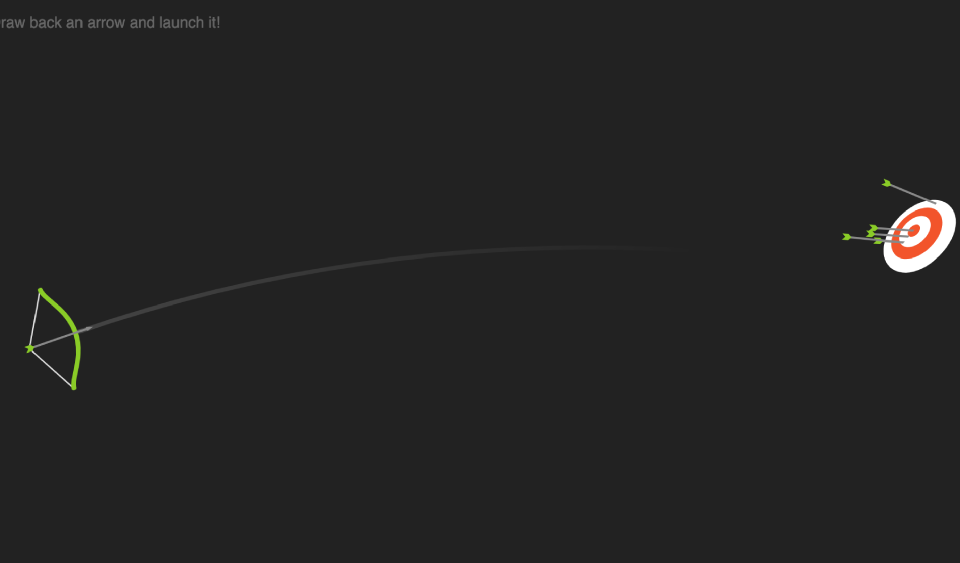
Move your cursor up or down to adjust your bow angle. Since the target moves constantly and each draw has minor sway, you must time your release and offset your aim.
Release and Score
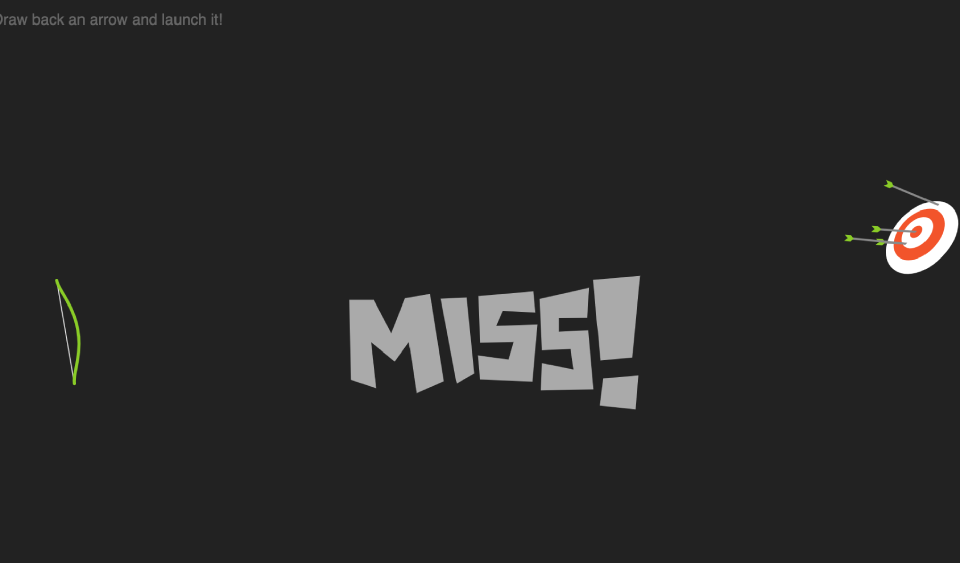
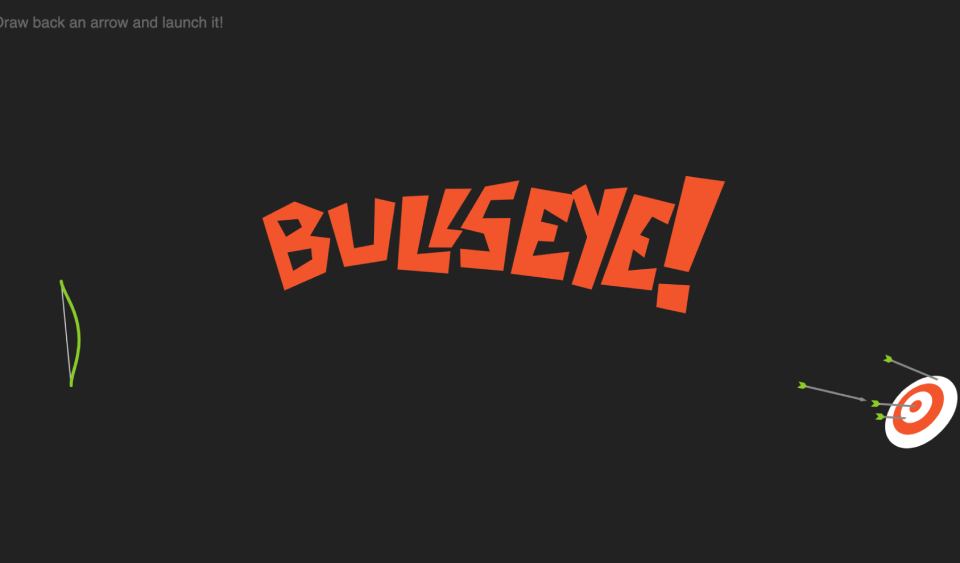
Release the mouse button or lift your finger to loose the arrow. You score 10 points for a standard target hit and a massive 50 points for nailing the bullseye.
Improve Your High Score
Track your stats in the top bar. Keep shooting to beat your personal best and see how your precision grows over time.
Patience and Timing
Wait for the target to reach its highest or lowest turnaround points. The target slows down at these pivots, making shots easier.
Compensate for Sway
Look closely at your arrow's path. Since each draw has a minor random sway, adjust your aim slightly opposite the drift.
Steady Rhythm
Do not hold your draw for too long. Developing a quick flow of drawing, aiming, and releasing keeps your focus and timing sharp.
Archery Practice Handbook
Welcome to the official training manual for the target archery competition Game! Whether you are a beginner looking to understand the fundamentals of drawing a bow or an experienced marksman striving to hit consecutive bullseyes on a moving target, this guide is designed to elevate your accuracy and timing.
In this handbook, we will explore the prehistoric origins of traditional archery equipment, unpack the physical forces that control an arrow's flight trajectory, and share advanced tips on compensating for natural bow sway. Let's draw back and begin!
1. The Evolution of Archery: From Survival to Sport
Archery is one of the oldest human technologies, with archaeological evidence dating notched arrowheads back over 70,000 years to the Middle Stone Age. Initially developed as a crucial tool for hunting and survival, bows and arrows quickly evolved into the dominant long-range weaponry of ancient and medieval warfare.
From the composite bows of the Mongol hordes to the massive English yew longbows that decided the Battle of Agincourt, archery shaped empires and defined military strategies for millennia. With the introduction of firearms, the bow transitioned from a weapon of war into a refined sport of precision.
The first recorded archery tournaments began in England during the 16th century, leading to the establishment of the Grand National Archery Society in 1844. Archery made its Olympic debut in Paris in 1900 and has since evolved into a highly competitive event featuring carbon-fiber compound bows and precision sights.
2. The Physics of Flight: Trajectories and Drag
The moment you let go of the bowstring, your arrow begins its journey through the air. Instead of flying in a straight line, it follows a soft curve shaped by gravity and air resistance.
Gravity constantly pulls the arrow down toward the earth during its flight. To hit targets that are far away, you need to aim slightly upward to let the arrow arc down into the bullseye.
As the arrow cuts through the air, resistance slows it down and makes it wobble. The feathers at the back create a tiny amount of drag to keep the arrow stable and pointing straight ahead.
3. Windage, Drift, and Aim Compensation
If you play outside, the wind is your biggest challenge since it easily pushes your arrow to the side. This sideways drift is called windage, and it gets stronger the farther away the target sits.
To hit a bullseye when it is breezy, you have to aim slightly off-center. For example, if a crosswind pushes your arrow to the right, you should aim a bit to the left to compensate.
In our digital game, this drift is simulated by a gentle bow sway that moves your sight around. Good shooters watch the sway pattern, wait for the perfect timing, and release the arrow to offset the movement.
4. Glossary of Archery Terms
Anchor Point
A reference point on the face where the draw hand rests at full draw. This ensures shot consistency.
Bullseye
The absolute center of the target face. In our digital range, hitting this spot awards a premium score of 50 points.
Draw Weight
The force required to pull the bowstring back to full draw, measured in pounds. Higher draw weights increase arrow velocity.
Fletching
The plastic vanes or feathers attached to the rear of an arrow shaft. These create stabilizing drag and rotate the arrow during flight.
Nock
The plastic groove at the back end of the arrow. This clips onto the bowstring to keep the arrow secure during draw.
Quiver
A container designed to hold arrows securely. It can be worn on the body or set on the ground for quick access.
Trajectory
The parabolic arc that an arrow describes in the air. This path is calculated from the moment of release to target impact.
Windage
The adjustment of the bow's horizontal aim to compensate for lateral drift. This compensation corrects for crosswinds during flight.