Play Number Guessing Online Free
Deduce secret digits between 1 and 100 using higher-lower feedback.
Loading game...
About Number Guessing
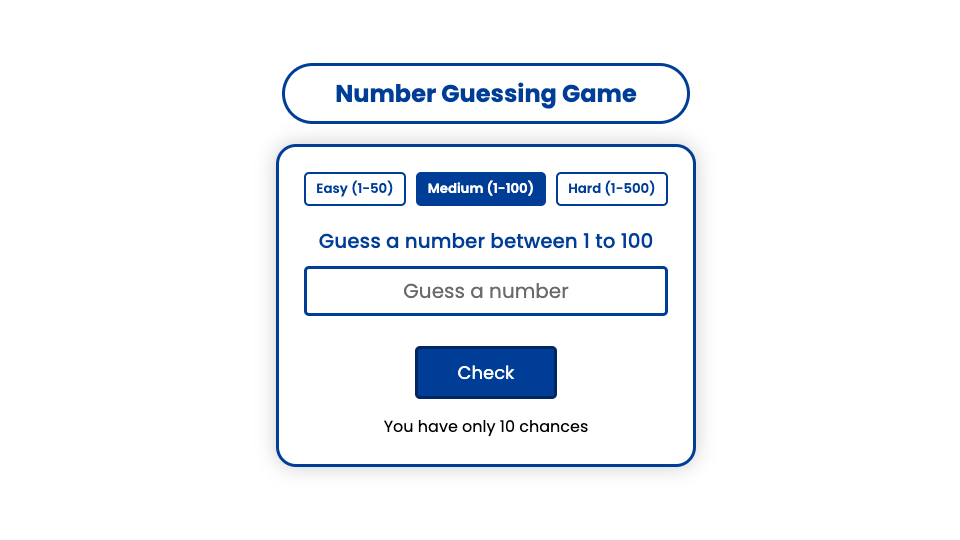
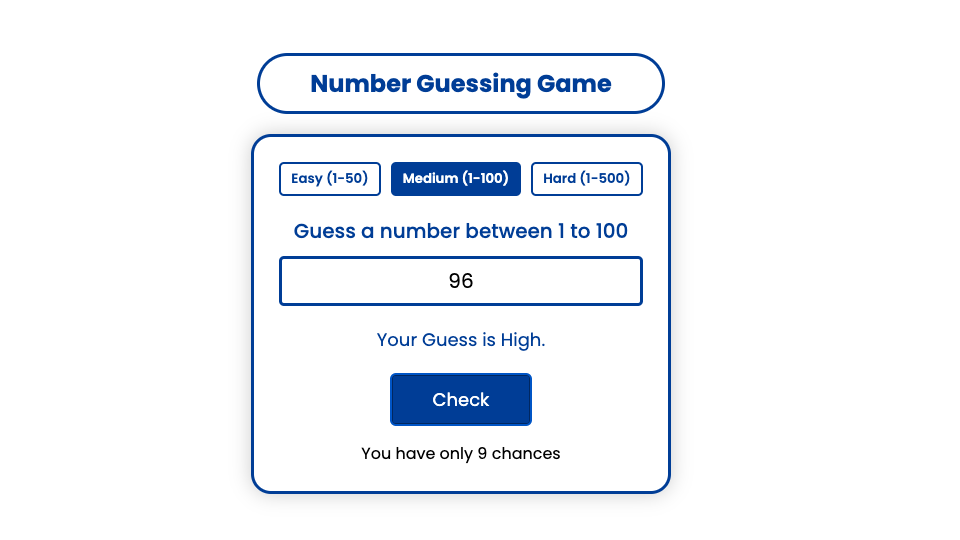
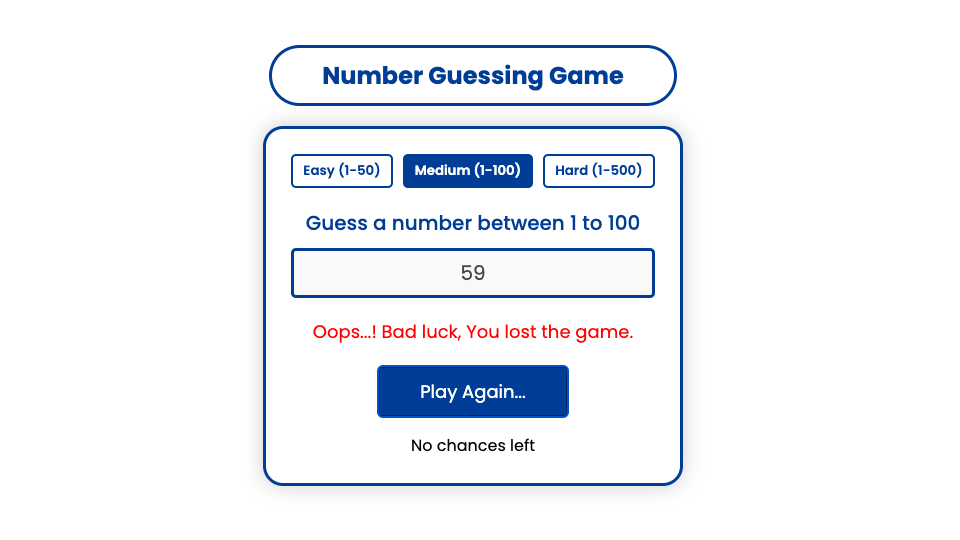
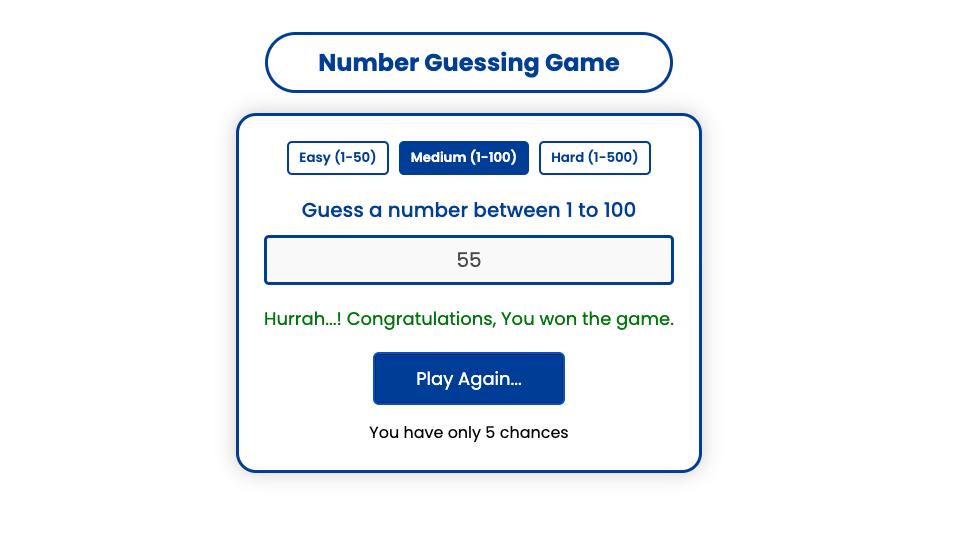
Welcome to Number Guessing, a classic logic puzzle that challenges you to find a hidden secret number between one and one hundred! The rules of the game are simple but require a clear mathematical approach to solve in the fewest attempts. Every time you type a guess and hit Enter, the game provides a hint telling you if your guess was too high or too low.
To master this game, you should avoid random guessing and use structured ranges to narrow down the target. You can choose different target numbers in each round to keep the challenge fresh. Watch your attempt counter to see how close you are to the optimal mathematical limit. Take your time, calculate your middle values, and see if you can solve the puzzle in seven guesses or less!
How to Play
Input Guess
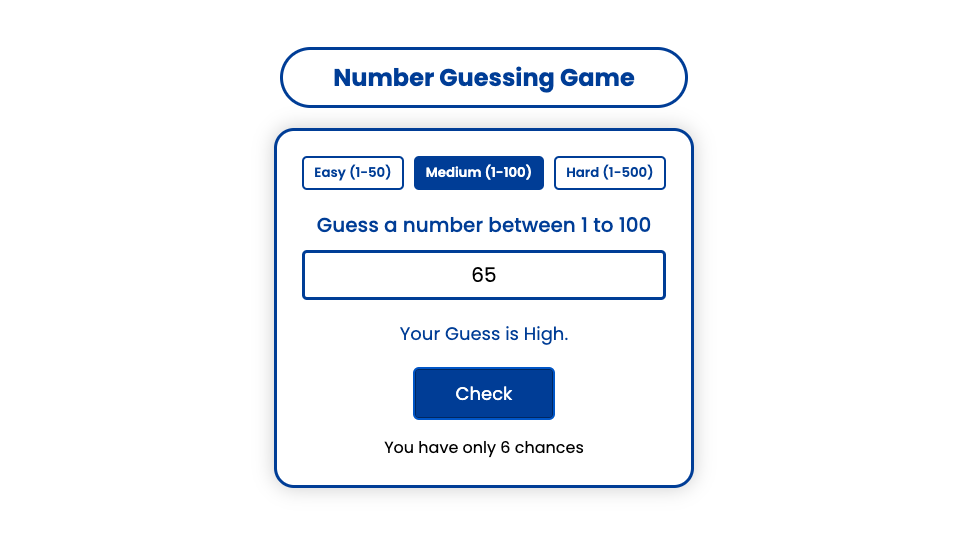
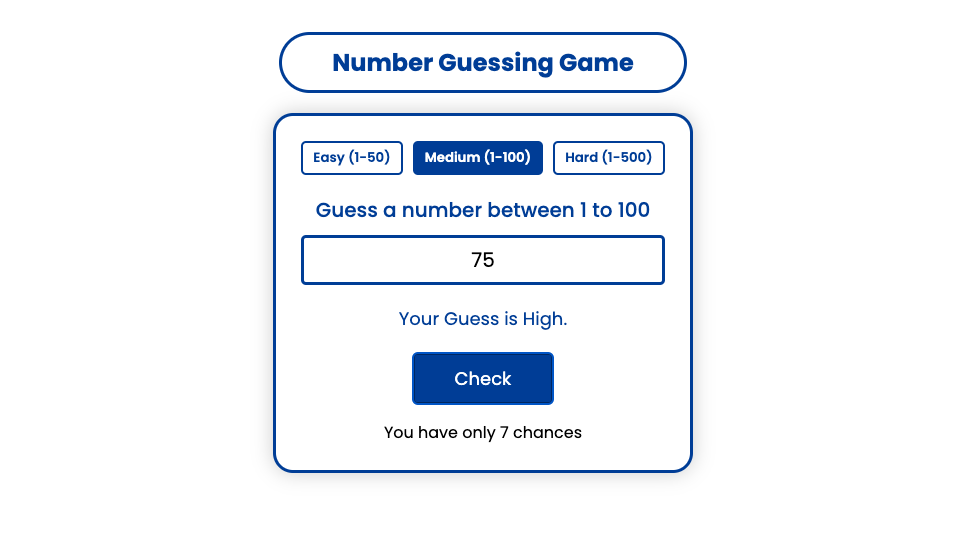
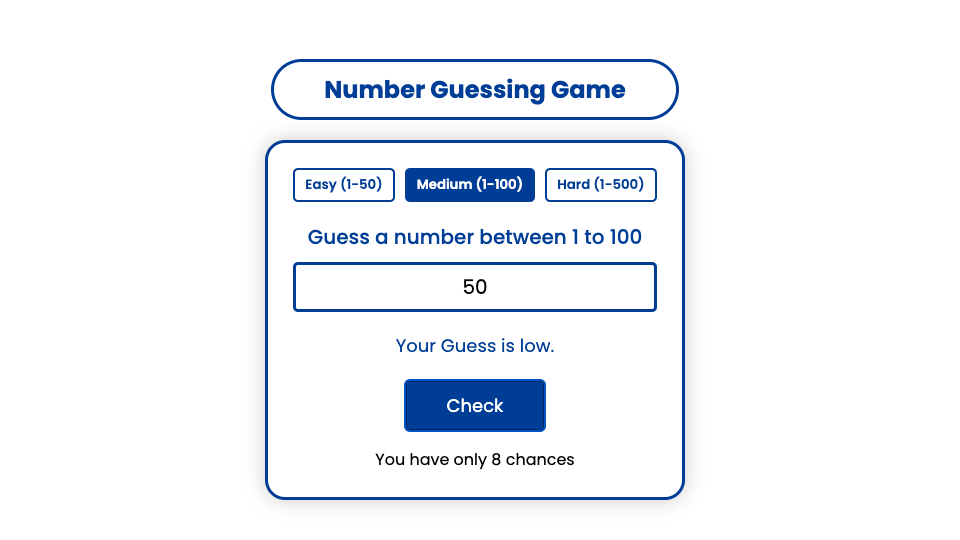
Type a number between one and one hundred using your keyboard inside the input box.
Submit Choice
Press the Enter key or click the submit button to confirm your active guess.
Check Hints
Look at the feedback message to see if the secret number is higher or lower than your guess.
Narrow Range
Adjust your next guess based on the hint to quickly close in on the correct number.
Binary Split
Always guess the exact middle number of your current possible range to cut the remaining options in half.
Starting Move
Start your first round by guessing fifty to instantly divide the full range into two equal parts.
Elimination Focus
Pay attention to the high and low boundaries you establish to avoid wasting guesses on eliminated numbers.
Number Guessing Player Handbook
This guide explores the history, mathematical strategies, and psychological tricks for mastering the classic Number Guessing game. You will learn the exact science of logarithmic binary search algorithms, range reduction, and how to consistently find the target in under seven guesses.
Solving these puzzles quickly is not a matter of luck but a test of logical thinking. Let us dive into the mechanics and see how you can beat the odds every single time.
1. The History of Guessing Games
Number guessing games have been used for centuries as simple classroom tools to teach children basic number relationships and inequalities. Long before computers existed, people played these games with paper and pencil using high and low clues.
In the early days of computer science, programmers wrote basic text versions of number games as some of the very first mainframe tests. These early mainframe programs helped developers test how computers processed user input and calculated conditional statements.
Our modern version updates this classic math puzzle with a clean, responsive layout designed for quick rounds. The game generates a random secret integer between one and one hundred and waits for you to track it down.
Every single guess you make helps narrow the possibilities and guides you closer to the correct answer. The goal is to train your logical thinking so you can find the target in the fewest turns possible.
2. The Binary Search Method
The most powerful weapon in this game is a classic computer science algorithm called binary search. This method works by always guessing the exact middle number of your current search range to eliminate half of the remaining options.
For example, starting the game by guessing fifty splits the full range of one hundred possibilities right down the middle. If the game tells you fifty is too high, you have instantly eliminated fifty numbers in a single move.
Your next guess should be twenty-five since it is the middle value of the remaining range from one to forty-nine. Repeating this splitting technique ensures you cut the remaining possibilities in half with every single guess you submit.
Following this exact pattern guarantees that you will solve any number puzzle between one and one hundred in seven guesses or less. Deviating from the middle values introduces luck and makes it much harder to keep your guess count low.
3. Range Reduction and Logic
To keep your guess count low, you must pay close attention to the boundaries you establish as the game progresses. It is easy to lose track of your high and low markers and submit a guess that has already been mathematically eliminated.
Try mentally updating your active search range (such as thirty-two to forty-four) after receiving each new hint. Focus entirely on this shrinking target area and block out the numbers that you have already ruled out.
If your calculations result in a decimal value when splitting a range, simply round to the nearest whole number. For instance, if your active range has thirteen numbers, split it by moving six steps from either end.
Keeping a calm, methodical pace helps you avoid typing errors that can cost you a valuable guess. Trust the mathematical strategy and treat each round as a clean test of logic rather than a race.
4. Fun ways to test your skills
The Perfect Seven
Find the secret number in exactly seven guesses without ever deviating from the middle value of your search range. This challenge tests your dedication to pure mathematical precision.
Under Five Club
Successfully find the secret number in four guesses or less during a single round. You will need a mix of perfect binary splitting and a little bit of luck to hit the target this fast.
The Boundary Trap
Play a full game where you only guess numbers that end in five or zero until you solve the puzzle. This constraint prevents you from splitting ranges perfectly and forces you to adapt your strategy on the fly.
Double Trouble
Find two secret numbers back-to-back while keeping your combined guess count below twelve total attempts. This challenge tests your consistency across multiple rounds.
Extreme Halves
Solve a round where you alternate your first two guesses between the absolute edges of the remaining range. This self-imposed penalty test makes the middle section of the game much harder to calculate.
The Silent Count
Complete a game without looking at the attempt counter or writing down any of your previous guesses. You must remember your high and low boundaries entirely in your head as you narrow the range.