Play Insect Catch Online Free
Test your reaction speed by tapping fast-moving bugs on screen.
Loading game...
About Insect Catch
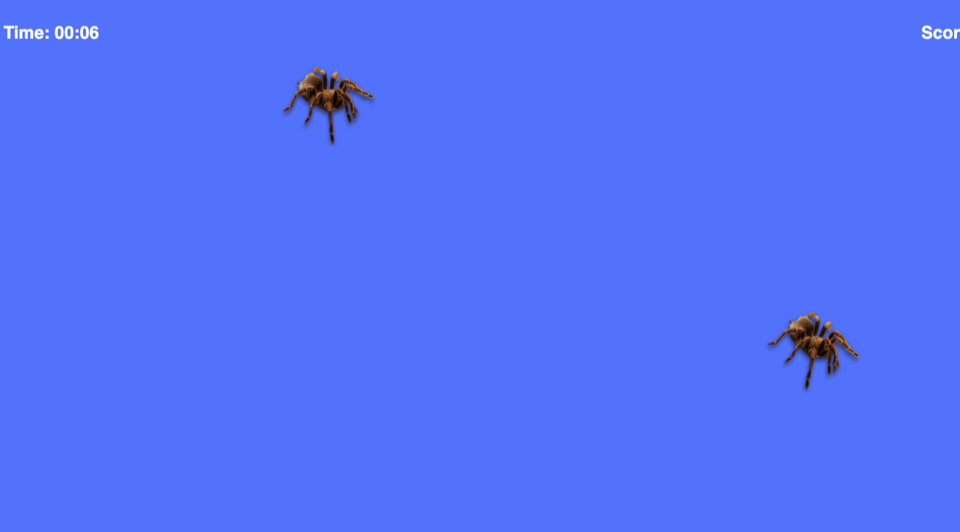
Welcome to Insect Catch, a fast-paced reaction game designed to test your hand-eye coordination and speed! The rules are simple but the challenge escalates quickly: insects spawn at random positions on your screen, and you must click them to clear them before they escape. Every time you successfully click a target, your score increases and the game speeds up the spawn rate of the next wave.
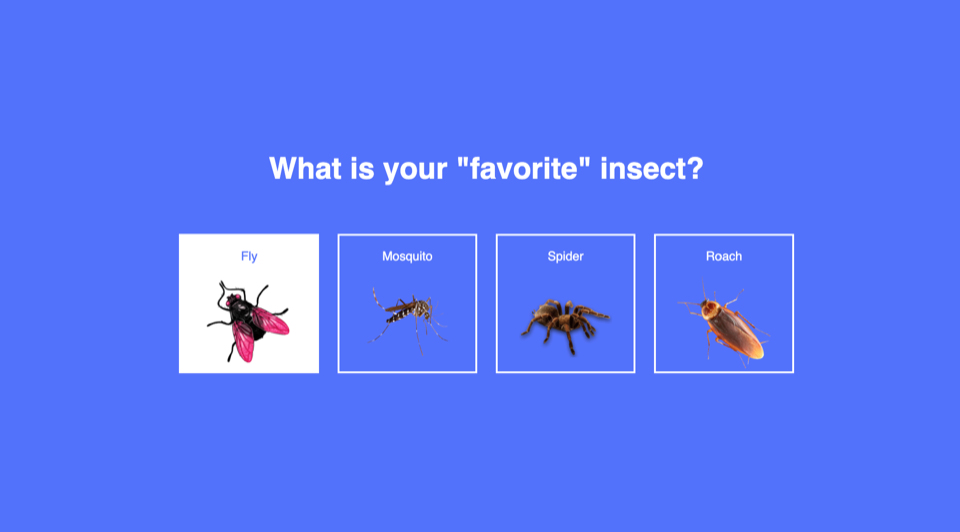
The game offers multiple targets to test your focus, including flies, mosquitoes, spiders, and roaches. You can select your target bug on the main menu screen before starting the round. Watch your score and the active timer in the top bar to track your progress as the board gets increasingly hectic. Stay focused, aim carefully, and see how high you can score before the screen becomes completely overwhelmed!

How to Play
Select Target
Click on your favorite insect from the main menu to set the sprite for the round.
Click to Catch
Click directly on each insect that spawns on the screen to capture it and increase your score.
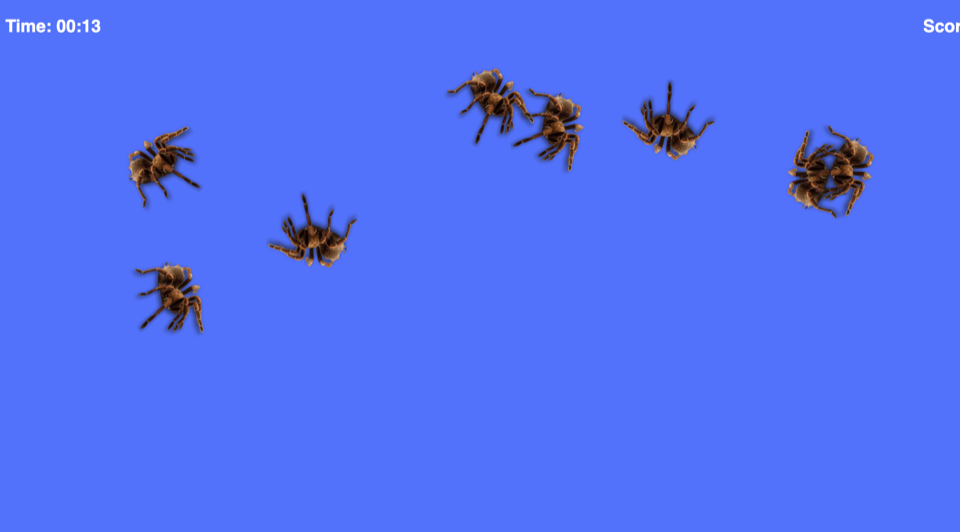
Monitor Your Stats
Keep an eye on your active score and timer displayed in the top corners of the screen.
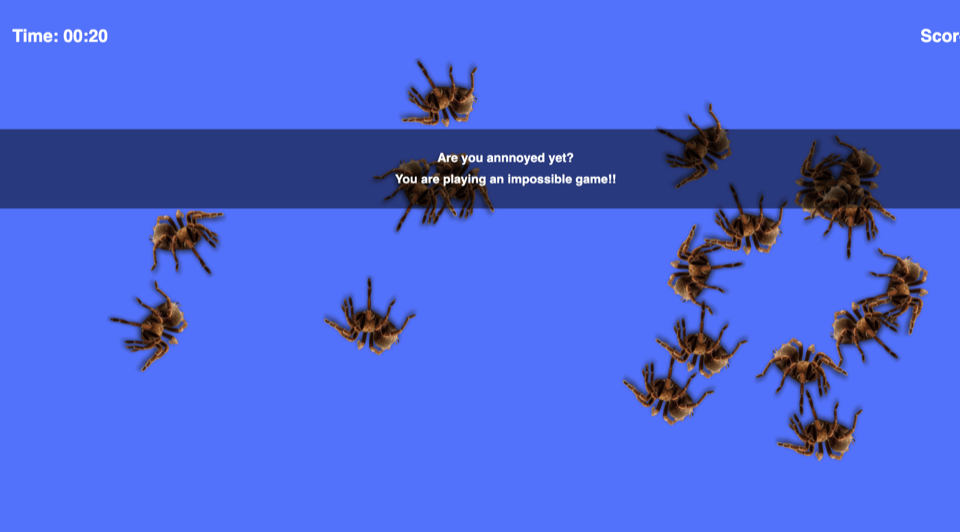
Survive the Acceleration
Handle the increasing spawn rates as the game speeds up with each successful catch.
Peripheral Scanning
Watch the entire screen area rather than focusing on a single spot so you can catch new spawns immediately.
Target Proximity
Prioritize clicking the insects that spawn near the edges of the window to keep the playing field clean.
Click Precision
Avoid clicking randomly when the screen gets busy because precise movements prevent hand fatigue and missed targets.
Insect Catch Player Handbook
This comprehensive player manual explores the history, reaction mathematics, and physical techniques for mastering Insect Catch. You will learn how coordinates scale, how to manage clicking speed, and how to improve your coordination.
Improving your reflexes is all about finding a steady rhythm rather than clicking as fast as possible. Let us break down the exact strategy and training challenges to boost your scores.
1. The Evolution of Click-Accuracy Games
Click-accuracy games first appeared in the early days of personal computing as simple utility programs to help people get used to using a mouse. These early software trainers had players click on small squares or moving dots to build comfortable hand-eye coordination.
Over the years, developers transformed these basic mouse tutorials into fun arcade experiences by adding speed settings and visual targets. This shift turned a standard computer exercise into a popular competitive genre that players still love today.
Our modern web adaptation uses an entomological specimen collection theme to bring that classic target-clicking challenge straight to your screen. The goal is to catch as many flies, mosquitoes, spiders, or roaches as you can before the grid gets too crowded.
As you clear each insect, the game challenges you further by increasing the speed at which new targets appear. This simple loop tests your raw reaction speed and challenges you to push past your personal records.
2. Speed Scaling and Spawn Mechanics
Behind the simple interface is a basic physics and timing engine that controls how targets appear on your screen. The game uses coordinate math to place insects randomly within your screen margins so they never clip off the edges.
Each time you click an insect, the interval timer between new spawns shrinks to make the gameplay feel more intense. This means the game gets progressively harder with every single point you add to your score.
When you catch a bug, the game automatically schedules two new insects to appear shortly after to double the challenge. This exponential spawn rate is what creates the swarm effect as the game goes on longer.
Your main defense against this speed scaling is to clear the board in a structured order rather than chasing targets randomly. Keeping the center of the board clear of bugs gives your eyes a clean space to spot new spawns.
If you let too many insects gather on the screen, your eyes will struggle to track the newest targets. Staying ahead of the spawn timer is the only way to survive once the acceleration kicks in.
3. Click Ergonomics and Visual Tracking
Winning at reaction games requires you to use a comfortable physical grip on your mouse or touch screen. Keeping your wrist relaxed and using small, controlled finger movements is the best way to prevent hand fatigue during long rounds.
Try to hover your cursor near the center of the screen rather than following every insect to the edges of the window. Keeping a central base position cuts down the distance your hand has to travel for each click.
Instead of staring directly at your cursor, try using your peripheral vision to spot new insects as they appear. Training your eyes to look at the blank spaces helps you react to spawns much faster than tracking individual bugs.
When the screen gets crowded, focus on clearing the insects that are clustered close together first. Knocking out close targets in quick succession lets you clear the board with minimal wrist movement.
Remember to take short breaks between games to rest your eyes and stretch your fingers. Maintaining physical comfort is essential if you want to keep your reaction times sharp and set new records.
4. Fun ways to test your skills
The Edge Patrol
Try to catch only the insects that spawn near the outer borders of the game screen first. This challenge forces you to move your cursor across wider distances and tests your long range accuracy.
Perfect Target
Clear twenty insects in a row without making a single missed click on the empty screen background. This exercise trains you to prioritize precision over speed to prevent wasted movements.
Sprint Champion
Challenge yourself to reach a score of thirty points in less than forty seconds from starting the round. You must click as fast as possible and clear spawns the instant they appear.
Center Sentry
Try to catch ten insects in a row without ever moving your cursor outside the center third of the screen. This limits your movement range and forces you to wait for targets to spawn near you.
Steady Rhythm
Maintain a slow and steady clicking speed of exactly one insect per second without speeding up. This tests your self-control and timing when the screen starts filling up with bugs.
Insect Swapper
Play four consecutive rounds back-to-back while choosing a completely different target insect for each attempt. This challenge tests if your reaction speed stays consistent when the visual sprites change.